Saturday, 14 February 2026

Importance of Sexuality


The article "Importance of Sexuality" (likely from MedicineNet or a similar health resource, aligning with WebMD-style content) highlights sexuality as a fundamental aspect of being human. It contributes to healthy relationships, intimacy, and overall happiness, often more impactful than financial gains.

A key study cited (from economists David Blanchflower and Andrew Oswald, analyzing data from 16,000+ people) found that increasing sexual intercourse from once a month to once a week provides a happiness boost equivalent to a $50,000 annual income raise. (Note: Later research has nuanced this, suggesting benefits peak around weekly frequency and quality matters more than quantity, but the article focuses on the positive association.)

While sexuality brings positives, sexual health can be affected by various issues, including:

  • Birth control
  • Impotence and low desire
  • Sexually transmitted diseases (STDs)
  • Body image concerns
  • Overall sexual satisfaction

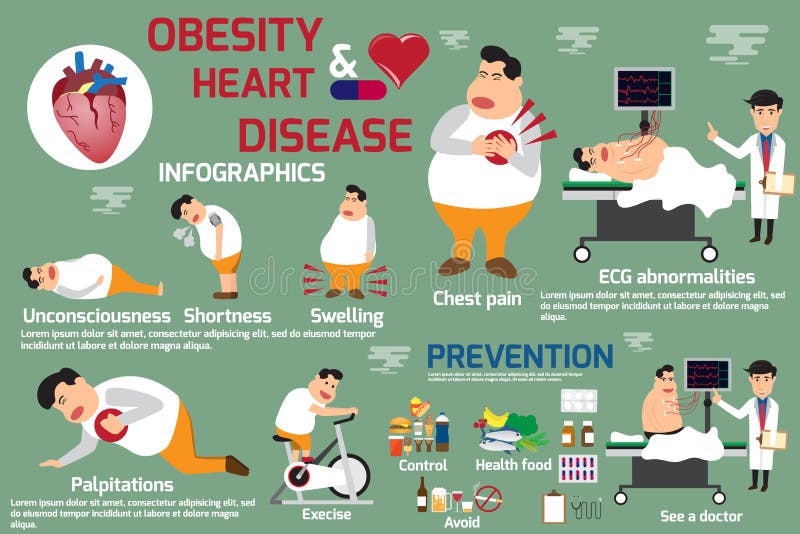
How overall health influences sex life: There's a strong link between general health, lifestyle, and sexual satisfaction. Conditions tied to obesity (e.g., hormonal disruptions) can lower libido. Positive lifestyle changes to boost sex drive include:

  • Losing even a modest amount of weight (e.g., 10 pounds) to stimulate sex hormones
  • Eating nutritious, heart-healthy foods (grains, fruits, nuts, vegetables, lean proteins/dairy) to manage cholesterol and blood sugar
  • Regular exercise: Include high-intensity cardio for heart health/endurance, plus strength training for muscle tone and physical capability
  • Getting sufficient rest (fatigue kills mood)
  • Maintaining a positive attitude: Accept your body at any size and embrace your sensuality

Seeking help: Small lifestyle tweaks and positive self-talk often improve drive and desire significantly. However, persistent sexual problems (physical or psychological, affecting men or women) warrant professional evaluation—beyond quick fixes like Viagra. If issues cause ongoing distress for you or your partner, consult a doctor for assessment and tailored treatment.

In summary, the piece promotes sexuality as vital for well-being and happiness, encourages proactive health habits to support it, and urges addressing problems promptly rather than ignoring them.


Wednesday, 11 February 2026

Stress Management Techniques


Stress Management

 The article, sourced from MedicineNet (an older comprehensive overview on stress management), defines stress broadly as any physical, chemical, or emotional factor causing bodily or mental unrest that may contribute to disease. It includes trauma, infections, toxins, injuries (physical/chemical), and varied emotional triggers. While often linked to psychological pressure, medically it refers to any force disrupting bodily balance and function.

Not all stress is bad: Mild stress can be beneficial, motivating better performance (e.g., during projects), improving focus, and providing energy. Exercise induces temporary stress but offers clear health gains. Problems arise only when stress becomes overwhelming or poorly managed.

Complete elimination of stress is impossible and undesirable—it's part of normal life. The goal is effective management through relaxation and other techniques to control its impact on physical and mental health.

Who is most susceptible? Stress affects everyone, regardless of age or background—no universal standards predict it (e.g., a parent of one child might feel more parenting stress than one with several). Susceptibility depends on individual factors like:

  • Physical health, nutrition, sleep quality
  • Interpersonal relationships and social support
  • Financial issues, commitments, responsibilities
  • Recent changes or traumas
  • Dependence/expectations from others

Protective factors include strong social networks (family, friends, groups), which reduce stress and improve mental health. Poor health, inadequate sleep/nutrition, or caregiving roles increase vulnerability. Certain life stages (children, teens, students, working parents, seniors) or transitions heighten common stressors.


Symptoms and effects of excess/poorly managed stress Symptoms vary widely: headaches, sleep issues, anxiety/tension, irritability/anger, concentration/decision-making difficulties, fear, depression, appetite changes, crying, sexual problems, indigestion, and more. Severe cases lead to burnout (loss of interest in activities) or suicidal thoughts. (The article includes a helpline note: 1-800-273-TALK / https://www.suicidepreventionlifeline.org — note this predates the 2022 shift to 988 in the US.)

Chronic stress worsens nearly every medical condition (e.g., cardiovascular disease, asthma, multiple sclerosis, chronic pain, acne, fibromyalgia, depression). It doesn't directly cause issues like hypertension but accelerates progression. On immunity: short-term acute stress may boost responses, but long-term/chronic stress weakens it, increasing infection risk, reducing vaccine efficacy, and slowing wound healing.

Healthy tips for managing stress Stress arises from external (environment, job, relationships, daily challenges) and internal factors (nutrition, fitness, emotional state, sleep, relaxation skills). Management involves addressing both.

Five main techniques:

  1. Exercise — Promotes fitness, reduces emotional tension, aids relaxation/sleep, temporarily removes you from stressors, and builds resilience to handle stress better.
  2. Relaxation and meditation techniques — Includes:
    • Guided imagery (visualizing soothing scenes with controlled breathing)
    • Various meditation forms (e.g., transcendental meditation, Herbert Benson's relaxation response via repeated phrase)
    • Progressive muscle relaxation (tense/release muscle groups)
    • Qigong and tai chi (movement-based with Eastern philosophy)
    • Yoga (postures/breathing for balance/harmony)
    • Autogenic training (focusing on body sensations)
    • Biofeedback (using devices to train control over bodily responses) Many can be self-taught via books/online, but classes/masters help; consult a doctor if needed (especially for movement-based ones).
  3. Time management and organizational skills — Prioritize tasks, avoid overcommitment, use planners/calendars, limit email/checking times, banish procrastination, organize surroundings to reduce clutter-induced stress.
  4. Support systems — Strong networks (family, friends, pets, groups) lessen symptoms and improve coping.
  5. Do things you enjoy — Spend 10-15 minutes daily on pleasurable activities (e.g., friends, pets, walks, hobbies) for quick relief.

Seeking help If self-management fails or stress feels unbearable, consult a doctor (for physical effects, short-term meds if needed, referrals). Consider counseling/therapy (individual or group) to identify triggers and build strategies. Leverage loved ones for support. Take classes for relaxation/meditation to learn efficiently and connect with others.

Overall, the article emphasizes that stress is inevitable but manageable—focusing on building internal resilience and healthy habits prevents negative health impacts and promotes well-being.

Tuesday, 10 February 2026

Build a Better Body Image -- No Dieting Required


The article "Build a Better Body Image -- No Dieting Required" (originally from sources like MedicineNet/WebMD-era content, citing experts like Denise Martz, PhD, and others) explores why many women struggle with poor body image and offers practical ways to improve it without focusing on weight loss or dieting.

Key points on the problem:

  • Women generally experience far greater body dissatisfaction than men, with lower self-esteem tied closely to appearance. A survey of 2,000 women (commissioned by Slim-Fast) found that 78% wished they could wear a smaller size—even those already at size 8—showing the issue affects women across shapes and sizes.
  • Body image and self-worth are deeply linked in culture, making it hard to feel good about oneself when fixating on perceived flaws.
  • Many women intellectually agree that self-esteem shouldn't depend on size, but personally struggle to apply that belief.
  • Contributing factors include:
    • Media influence: Unrealistic, often airbrushed or digitally altered images of thin, glamorous women promote the idea that only certain looks are acceptable. This has real effects, such as a famous study showing eating disorders surged in Fiji after Western TV introduced thin ideals.
    • Product marketing: Ads exploit dissatisfaction to sell diets, creams, or products, leading to feelings of failure when they don't deliver.
    • Cultural and evolutionary roots: Women are socialized from childhood to prioritize looks (e.g., girls praised as "cute," boys as "strong/smart"), and negative self-talk reinforces this.
    • Social dynamics: Women often bond over self-criticism (e.g., complaining about cellulite), which indirectly insults others too.

Solutions: 6 ways to improve body image without losing weight The experts emphasize shifting perspective and self-care rather than scale or size changes. Positive body image can actually make healthy habits (like better eating or exercise) easier and more sustainable.

  1. Stop negative self-talk: Replace harsh judgments (e.g., "ugly thighs") with neutral or objective descriptions (e.g., "thighs could use some work").
  2. Focus on positives: Identify and affirm features you like (great hair, teeth, nails) and start mirror time with those compliments.
  3. Treat yourself kindly: Speak to yourself with the respect you'd give a best friend; avoid self-talk you'd find unacceptable from others.
  4. Decode deeper meanings: Negative body thoughts sometimes mask other life dissatisfactions—address the root issue.
  5. Dress for the body you have: Wear clothes that fit well and make you look/feel your best now, signaling self-worth.
  6. Embrace diversity and uniqueness: Recognize that only about 2% of women fit supermodel ideals; value your body's natural shape and differences.


Overall, the piece argues that linking self-esteem to appearance or size is damaging and unsustainable. Building a kinder, more appreciative view of your body fosters genuine confidence and often leads to healthier behaviors naturally—no dieting required.

Friday, 30 January 2026

Weight Management


Weight Management

This article provides a comprehensive overview of weight management, emphasizing sustainable lifestyle changes for achieving and maintaining a healthy body weight. It covers evaluation methods (like BMI and waist measurement), associated risks of overweight/obesity and underweight, practical tips for long-term success, and the importance of balancing sensible eating with regular physical activity to prevent chronic diseases and promote longevity.

Key Sections Summarized

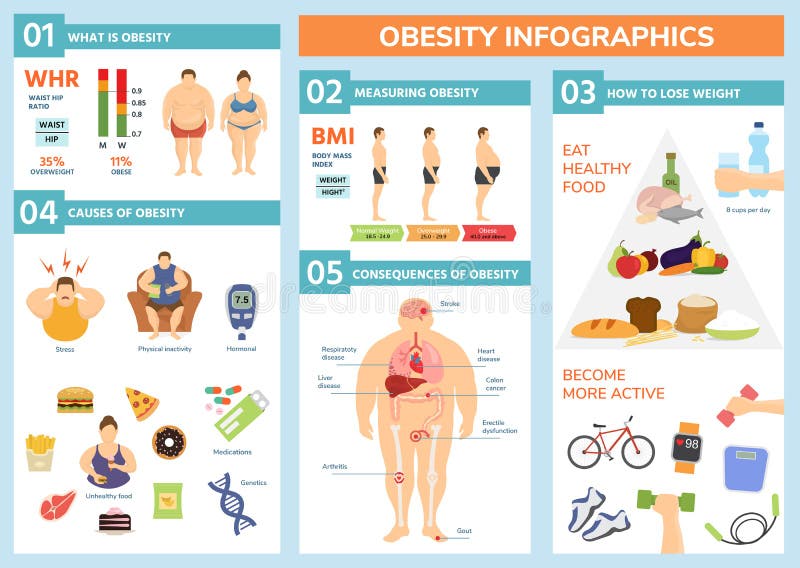
  • Introduction to Weight Management Weight management involves tracking weight and waist size while adopting habits that balance calorie intake with activity. Genetics, abundant food, and sedentary modern life increase weight gain risk, but healthy eating and exercise enable control. A healthy weight reduces risks of high blood pressure, heart disease, stroke, diabetes, cancers, arthritis, and breathing issues.
  • Evaluating Your Weight Methods include weighing yourself, measuring height for BMI, and checking waist circumference (>35 inches/88 cm for women or >40 inches/102 cm for men indicates excess abdominal fat and higher health risks, even with normal BMI).

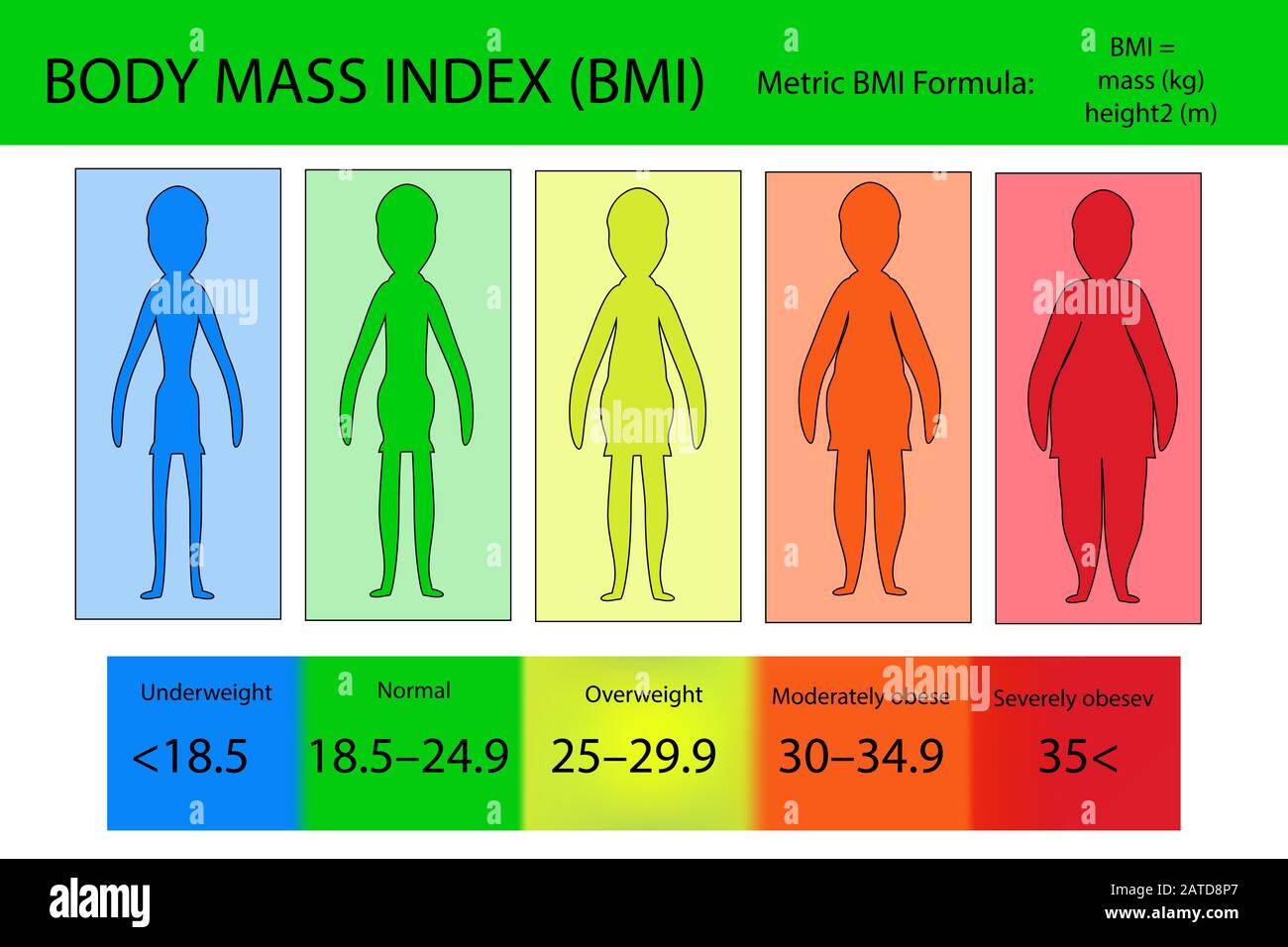
  • BMI Calculator and Categories BMI assesses weight relative to height (formula: kg/m² or lb/in² × 703). Categories: Underweight <18.5, Normal 18.5–24.9, Overweight 25–29.9, Obese ≥30. BMI has limitations (e.g., doesn't account for muscle mass), so combine with waist measurement and other factors.

  • Risk Factors and Complications Overweight/obesity heightens risks with factors like family history of heart disease, age (>45 men, postmenopausal women), smoking, sedentary lifestyle, or existing conditions (hypertension, abnormal lipids, diabetes). Complications include type 2 diabetes, cancers (e.g., colon, breast), heart attack/stroke, osteoarthritis, sleep apnea, gallstones, infertility, and more. Underweight (BMI <18.5) links to osteoporosis, infertility, and early death; unexplained loss needs medical check.

  • Weight Loss and Management Tips Focus on long-term changes over restrictive diets: Choose vegetables, fruits, whole grains, lean proteins, low-fat options; control portions; increase daily activity (≥45 min moderate for adults); create small calorie deficits; forgive slip-ups and persist. Maintenance requires ongoing habits to prevent regain.

Healthy Weight Stock Illustrations – 197,785 Healthy Weight Stock ...

  • Prognosis Sustained healthy changes improve or reverse many risks, leading to better health and longer life. Weight loss (even modest) diminishes complications significantly.

Overall Message Prioritize lifelong sensible eating and activity over fad diets. Monitor progress regularly, consult professionals for personalized advice (especially with risks or extreme cases like severe underweight), and aim for gradual, sustainable improvements for optimal health.