Weight Management
This article provides a comprehensive overview of weight management, emphasizing sustainable lifestyle changes for achieving and maintaining a healthy body weight. It covers evaluation methods (like BMI and waist measurement), associated risks of overweight/obesity and underweight, practical tips for long-term success, and the importance of balancing sensible eating with regular physical activity to prevent chronic diseases and promote longevity.
Key Sections Summarized
- Introduction to Weight Management Weight management involves tracking weight and waist size while adopting habits that balance calorie intake with activity. Genetics, abundant food, and sedentary modern life increase weight gain risk, but healthy eating and exercise enable control. A healthy weight reduces risks of high blood pressure, heart disease, stroke, diabetes, cancers, arthritis, and breathing issues.
- Evaluating Your Weight Methods include weighing yourself, measuring height for BMI, and checking waist circumference (>35 inches/88 cm for women or >40 inches/102 cm for men indicates excess abdominal fat and higher health risks, even with normal BMI).


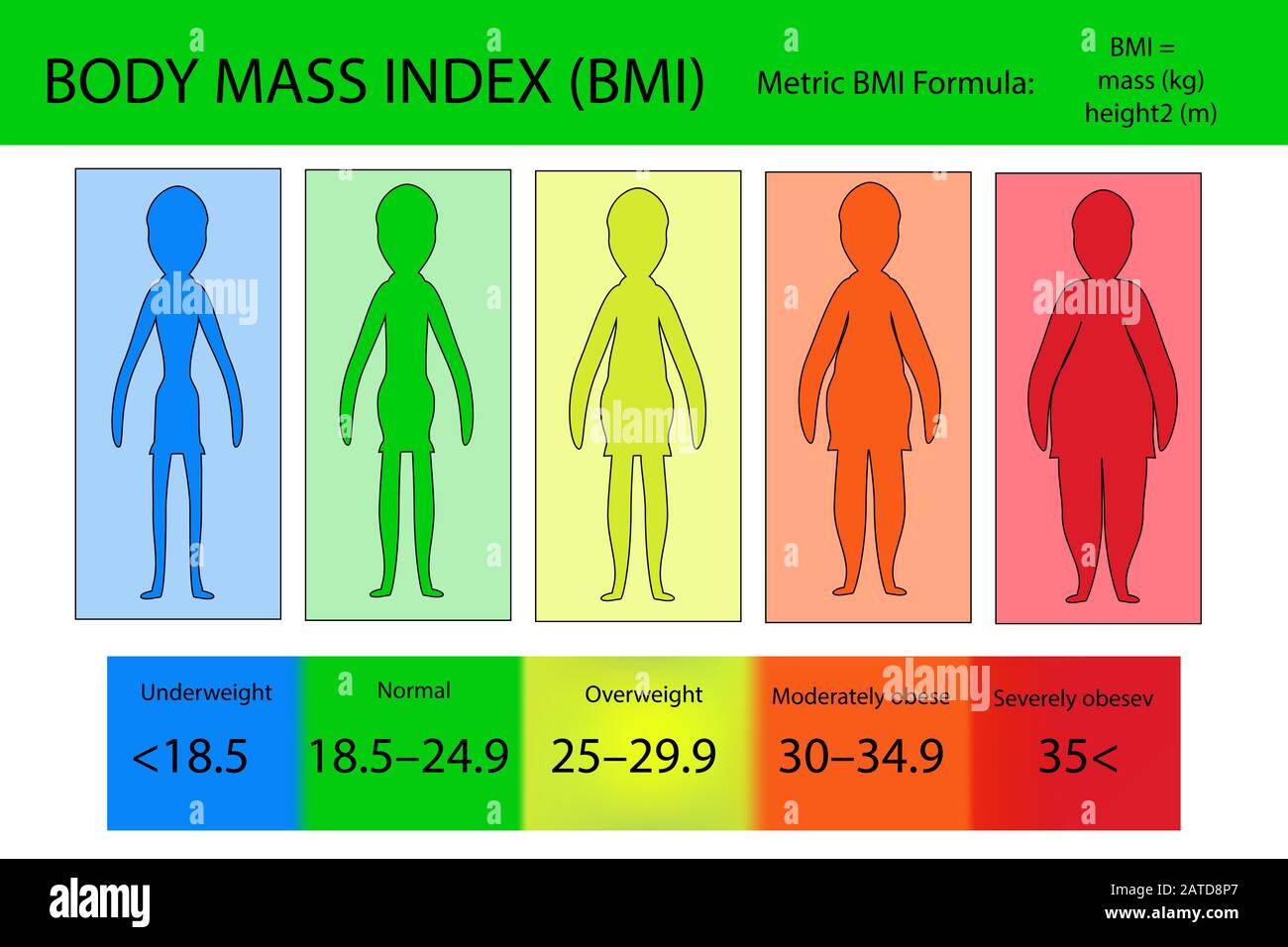
- BMI Calculator and Categories BMI assesses weight relative to height (formula: kg/m² or lb/in² × 703). Categories: Underweight <18.5, Normal 18.5–24.9, Overweight 25–29.9, Obese ≥30. BMI has limitations (e.g., doesn't account for muscle mass), so combine with waist measurement and other factors.

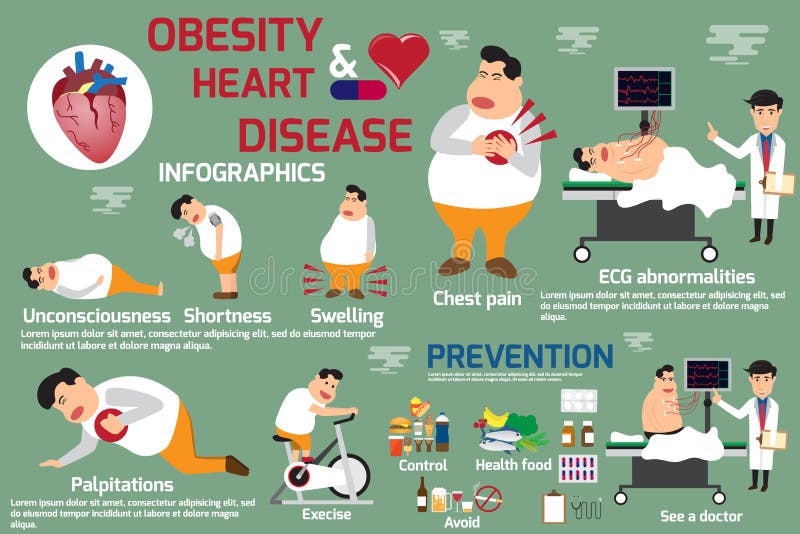
- Risk Factors and Complications Overweight/obesity heightens risks with factors like family history of heart disease, age (>45 men, postmenopausal women), smoking, sedentary lifestyle, or existing conditions (hypertension, abnormal lipids, diabetes). Complications include type 2 diabetes, cancers (e.g., colon, breast), heart attack/stroke, osteoarthritis, sleep apnea, gallstones, infertility, and more. Underweight (BMI <18.5) links to osteoporosis, infertility, and early death; unexplained loss needs medical check.


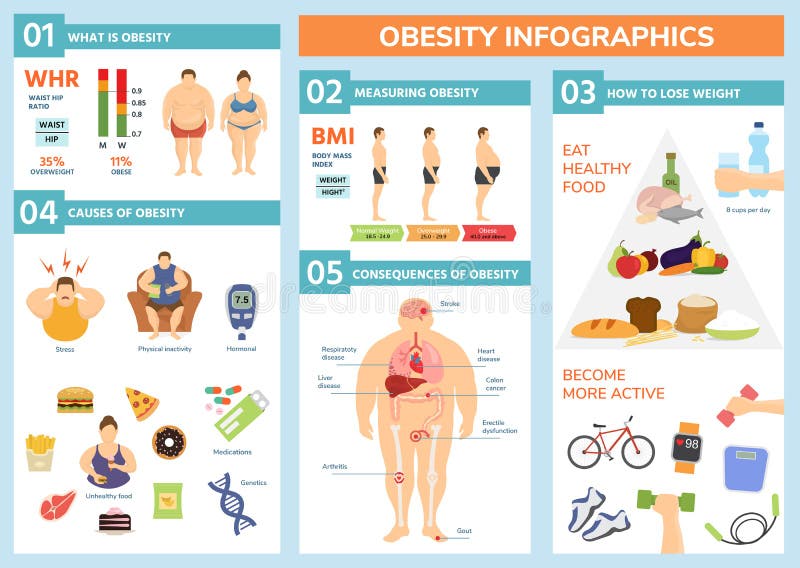
- Weight Loss and Management Tips Focus on long-term changes over restrictive diets: Choose vegetables, fruits, whole grains, lean proteins, low-fat options; control portions; increase daily activity (≥45 min moderate for adults); create small calorie deficits; forgive slip-ups and persist. Maintenance requires ongoing habits to prevent regain.
Healthy Weight Stock Illustrations – 197,785 Healthy Weight Stock ...
- Prognosis Sustained healthy changes improve or reverse many risks, leading to better health and longer life. Weight loss (even modest) diminishes complications significantly.
Overall Message Prioritize lifelong sensible eating and activity over fad diets. Monitor progress regularly, consult professionals for personalized advice (especially with risks or extreme cases like severe underweight), and aim for gradual, sustainable improvements for optimal health.
